Host institution
Brazilian Center for Research in Physics
CBPF is a research institute devoted to scientific investigation, advanced education and the development of physics instrumentation.
CBPF
A national center
devoted to physics.
Founded in 1949, the Brazilian Center for Research in Physics is an institute of the Ministry of Science, Technology and Innovation and a benchmark for knowledge production and scientific education.
As a national laboratory, it brings together theoretical and experimental research, shared infrastructure, technological development and cooperation with institutions in Brazil and abroad.
Scientific divisions and research areas
COMAN
Condensed matter, applied physics and nanoscience
- Materials and nanostructures
- Magnetism, spintronics and superconductivity
- Optics, photonics and quantum technologies
- Biomaterials and advanced characterization techniques
COHEP
High-energy physics and astroparticles
- Elementary particle physics and phenomenology of fundamental interactions
- Particle physics in high-energy colliders, neutrino physics, and search for dark matter
- High energy cosmic rays and gamma astronomy
- Detectors, instrumentation and large-scale data analysis
COTEO
Theoretical physics
- Statistical mechanics, chaos and complex systems
- Field theory and mathematical physics
- Condensed matter and topological materials
- Quantum information and computing
COSMO
Cosmology, astrophysics and fundamental interactions
- Early and late Universe
- Gravitation and gravitational waves
- Observational and high-energy astrophysics
- Theoretical, observational and computational cosmology
Shared research infrastructure
Open laboratories
for scientific education.
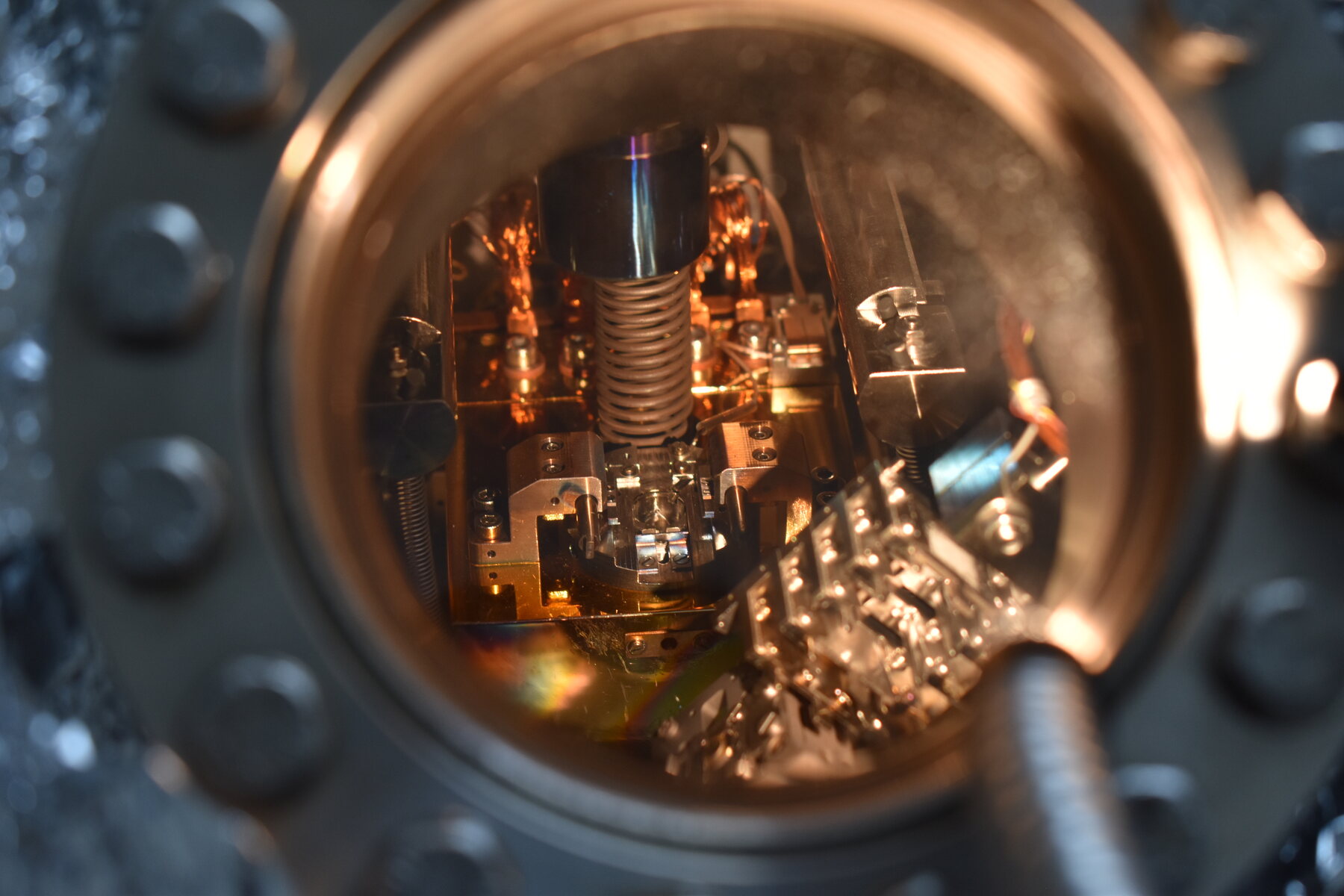
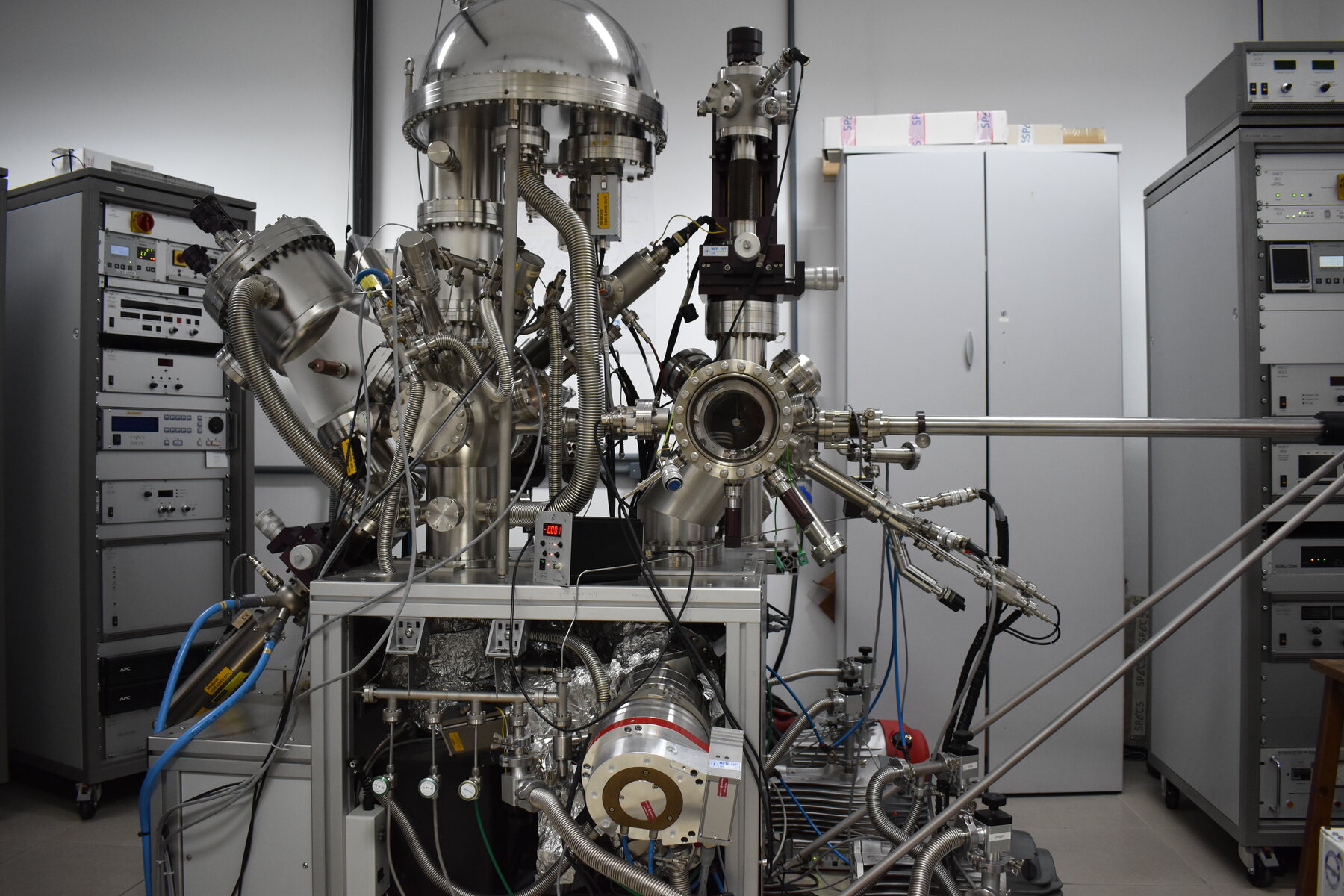
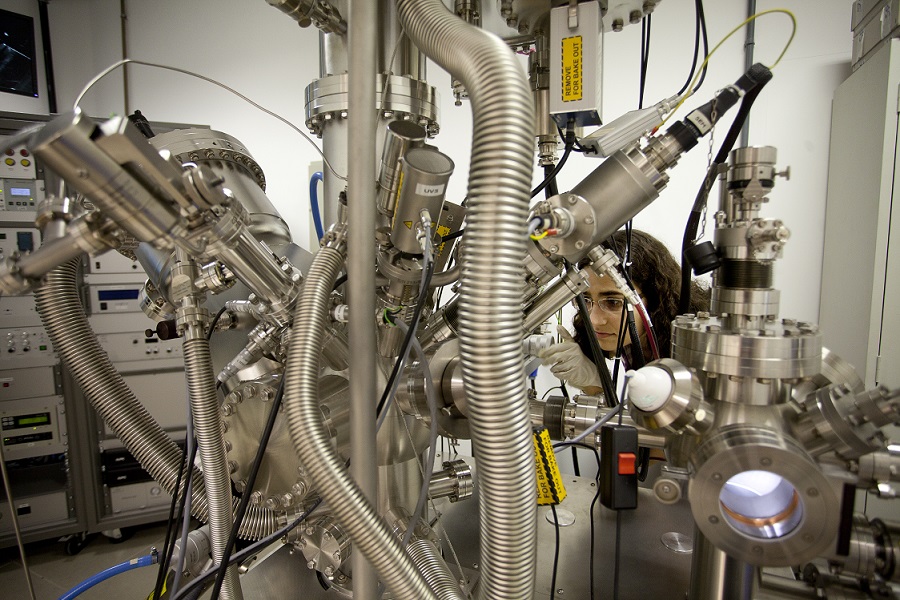
CBPF laboratories support research groups and scientific and technological development projects. During EAFExp, this infrastructure becomes an active part of participants' education.
Characterization, automation, data acquisition and advanced instrumentation techniques are presented in real research settings.
Advanced education
A pioneering path
in Brazilian graduate education.
CBPF was the first institution in Brazil to formally award master's and doctoral degrees in Physics. Today it offers academic master's and doctoral programs, a professional master's program and undergraduate research opportunities.
The EAFExp experience
Frontier research
within students' reach.
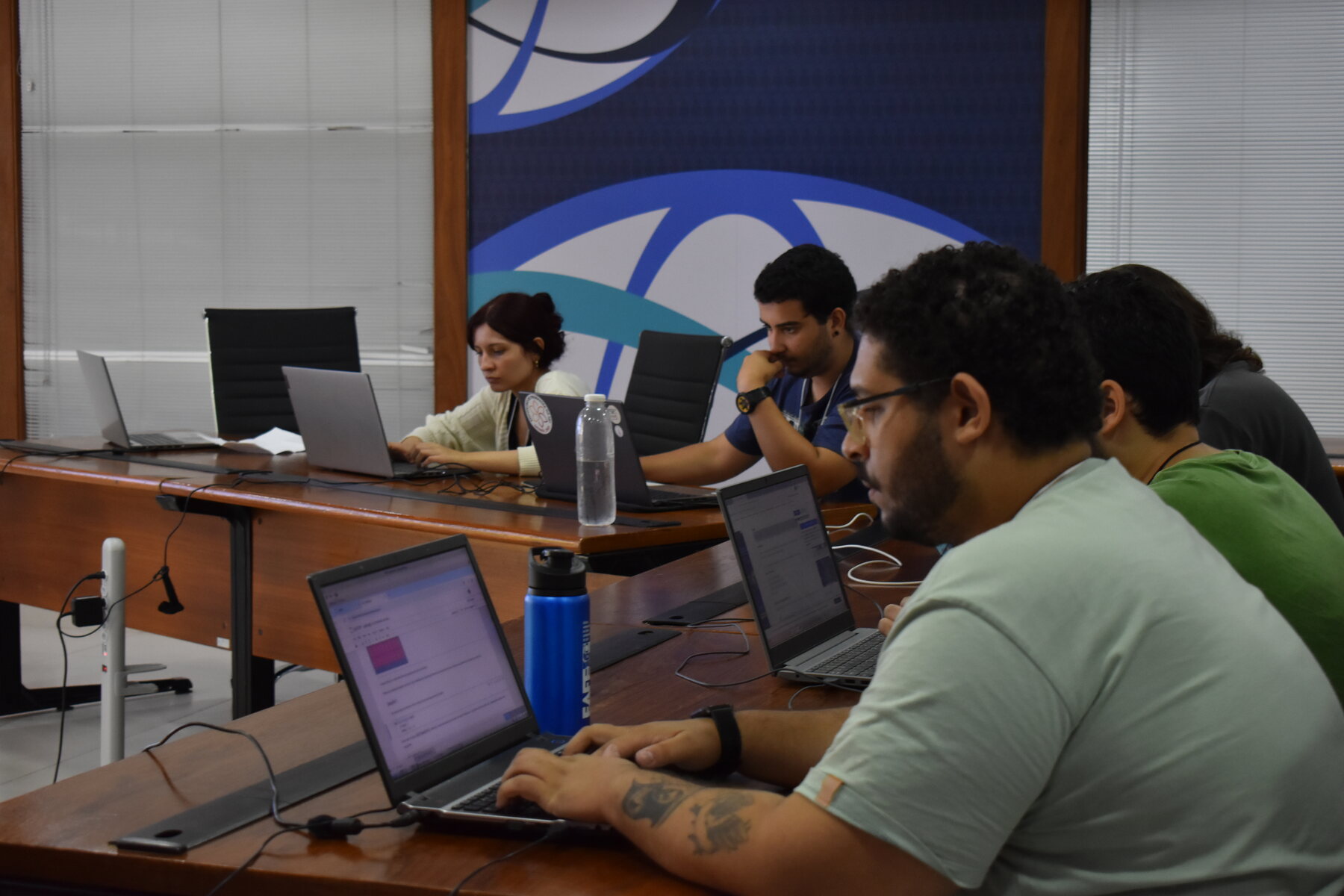
In the School's modules, participants work with techniques, instruments and methods that may not be available at their home institutions.
Close guidance from researchers and technologists turns complex equipment into tangible experiences in learning, investigation and collaboration.
Rio as seen from CBPF
Between Christ the Redeemer and
Sugarloaf Mountain.
Located in Urca, CBPF enjoys two of Rio's most recognizable landscapes. From its windows, the horizon brings together Corcovado, the Moon and Sugarloaf Mountain — turning the institute's location into an invitation to observe.


From landscape to measurement
Rio also
becomes a laboratory.
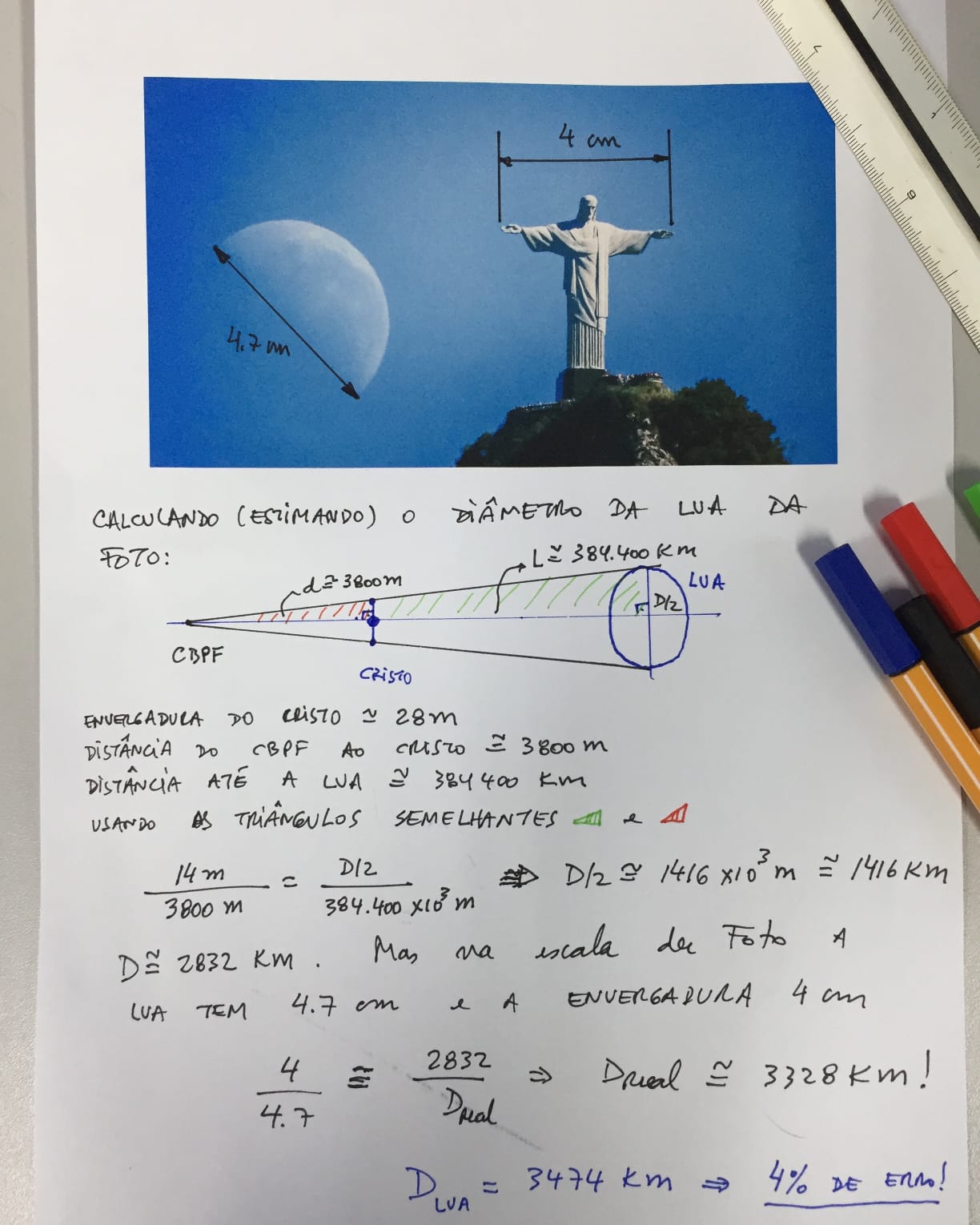
Using the photograph, apparent dimensions, known distances and similar triangles made it possible to estimate the Moon's diameter.
- Estimate
- 3.328 km
- Known value
- 3.474 km
- Difference
- 4%
Photographs and composition: João Paulo Sinnecker.
Location
Science between
Urca and the world.
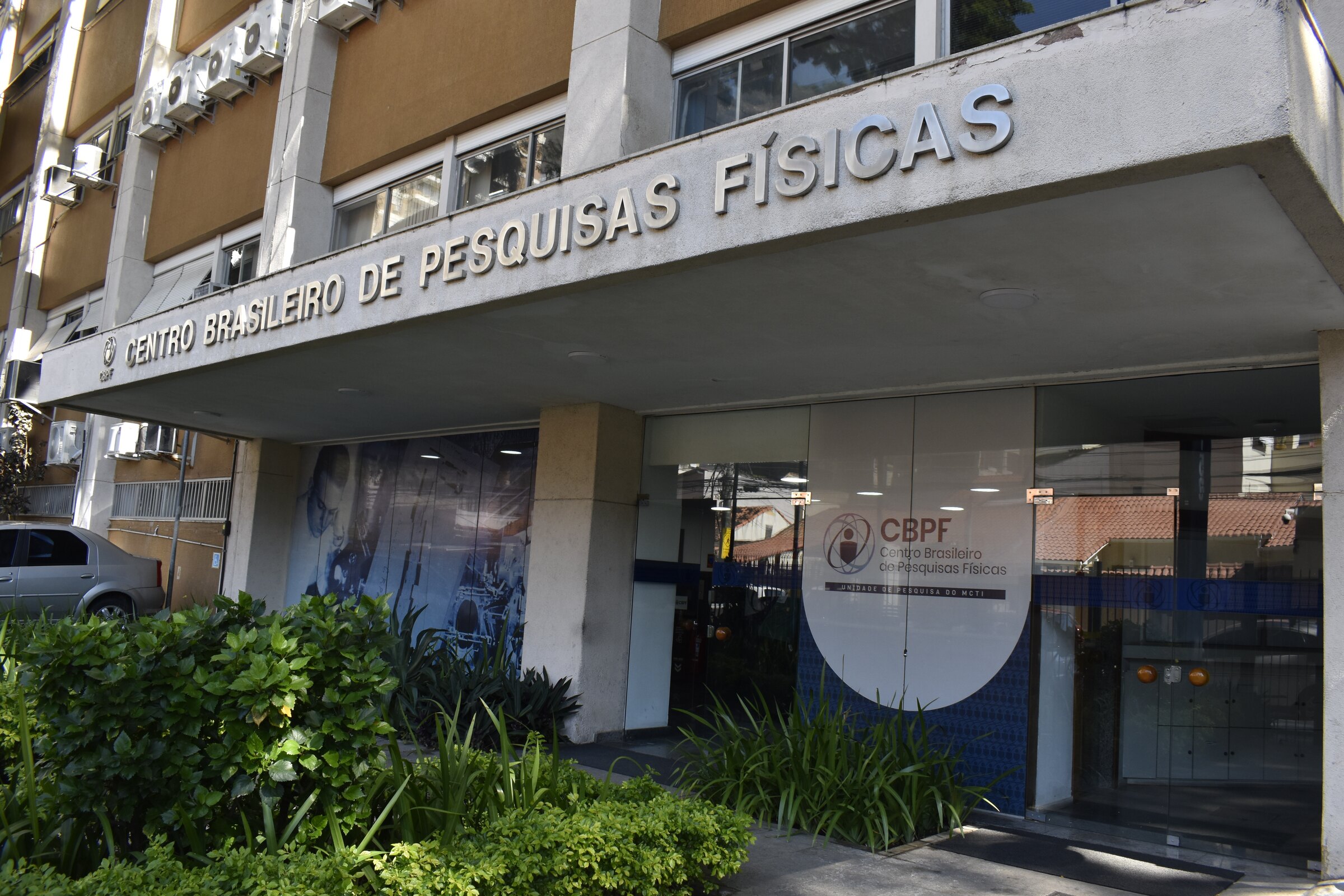
Rua Dr. Xavier Sigaud, 150, Urca, Rio de Janeiro. School activities will take place in CBPF laboratories and educational spaces.
DirectionsOpen in Google Maps↗